Elevate Your Garden: The Ultimate Raised Patio Planter for Stylish Outdoor Living
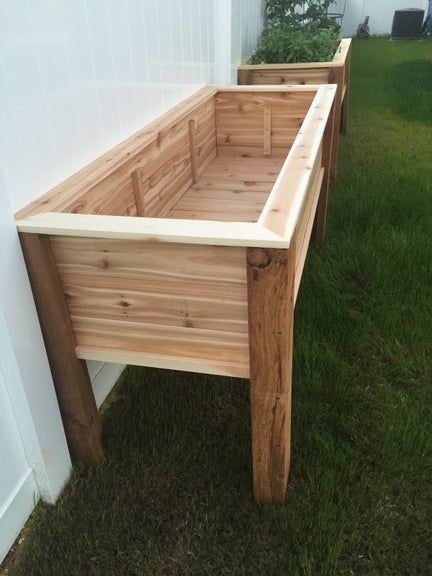
Stepping onto a balcony or patio reveals an immediate challenge: how to transform a flat, often overlooked space into a vibrant oasis. A raised patio planter offers the perfect solution, lifting your greenery off the cold concrete and creating a dynamic focal point. These elevated gardens provide superior drainage, warmer soil, and an ergonomic height that makes gardening accessible and enjoyable. By defining the space with distinct boundaries, they turn a blank slate into a curated sanctuary for plants, herbs, and flowers.
The Functional Benefits of Elevated Gardening
The advantages of choosing a raised patio planter extend far beyond aesthetics. Elevating your plants improves drainage significantly, preventing the root rot that often plagues in-ground or smaller container gardens on flat surfaces. The soil in a raised planter warms up faster in the spring, giving you a head start on the growing season. Furthermore, these structures are designed to be kind to your back and knees, bringing the garden up to a comfortable working height for easier planting, weeding, and harvesting, especially for individuals with limited mobility.
Design and Material Considerations
The material you select for your raised planter dictates its longevity, appearance, and maintenance needs. Classic wood, such as cedar or redwood, offers a natural, rustic charm and is naturally resistant to decay. Modern composite lumber mimics the look of wood without the risk of rotting or insect damage. For a sleek, contemporary look, powder-coated steel or durable fiberglass provides a minimalist edge. When planning your design, consider the depth required for your chosen plants; vegetables like tomatoes need significantly more soil depth than shallow-rooted herbs or succulents.


Strategic Placement and Space Optimization
Maximizing the impact of your raised patio planter begins with its placement. Positioning it near a seating area ensures you can enjoy its beauty and scent daily. If you are working with a small footprint, consider layering your planter by placing a taller section at the back or center, allowing cascading plants like petunias or sweet potato vine to spill over the edges. This creates visual interest from every angle. Additionally, placing the planter on a layer of pea gravel or pavers elevates it further, improving airflow beneath the structure and preventing water from pooling underneath.
Plant Selection and Seasonal Harmony
The true magic of a raised patio planter lies in its versatility. Think of it as a living piece of art that you can customize with every season. For a vibrant summer display, combine bold tropicals like Cannas with classic Geraniums and trailing Nasturtiums. In the cooler months, swap in plants like Pansies, Kale, and ornamental Cabbage to maintain color and texture. The controlled environment of a raised bed makes it easier to group plants with similar water and sun requirements, ensuring a cohesive and thriving display.


Maintenance and Long-Term Care
Maintaining a raised patio planter is generally less labor-intensive than traditional ground gardening, but it requires a specific routine. The elevated nature means the soil will dry out more quickly, necessitating a consistent watering schedule, ideally in the early morning. To preserve soil fertility, apply a slow-release fertilizer at the beginning of the season and top up the soil annually to replenish nutrients. In the winter, protect wooden planters with a sealant or move movable containers to a sheltered location to extend their life.
Enhancing Your Outdoor Living Space
A well-designed raised patio planter acts as the anchor for your outdoor décor, tying together the various elements of your space. You can integrate lighting by placing solar-powered stake lights around the base to illuminate the plants at night. Adding a small trelee or wall-mounted bracket nearby provides a place to rest your tools or hang a watering can, keeping the area tidy and functional. This thoughtful integration turns a simple garden feature into a complete and inviting outdoor room.




Related Articles

Elevate Your Outdoor Living: The Ultimate Guide to a Raised Paver Patio
Stepping outside onto a surface that is level, stable, and ready for any occasion defines the appeal of a raised paver patio. This approach to outdoor design...
Elevate Your Outdoor Living: The Ultimate Guide to Raised Patio Pavers
Raised patio pavers are an innovative solution for creating a stable, attractive, and functional outdoor living space on uneven or challenging ground. Unlike...

Elevate Your Outdoor Space: The Ultimate Guide to Raised Stamped Concrete Patios
Stepping outside onto a raised stamped concrete patio provides an immediate sense of transition, a defined space that bridges the gap between the indoors and...

Elevate Your Outdoor Space: The Ultimate Guide to a Raised Gravel Patio
The raised gravel patio represents a sophisticated evolution in outdoor design, marrying the timeless warmth of natural stone with the clean geometry of...

Elevate Your Outdoor Space: The Ultimate Guide to a Raised Flagstone Patio
Transforming an outdoor space into a durable and stylish extension of the home often begins with the foundation. A raised flagstone patio offers a timeless...
Elevate Your Outdoor Living: Stunning Raised Concrete Patio Ideas
Raised concrete patios are rapidly becoming the go-to choice for homeowners looking to elevate their outdoor living space. Unlike traditional poured slabs that...