Stunning Beautiful Living Rooms Images: Inspiration & Design Ideas
Scrolling through social media feeds or interior design blogs, it is impossible not to be captivated by beautiful living rooms images. These visuals are more than just decoration; they are a powerful blend of art, psychology, and lifestyle aspiration. A single photograph can capture the perfect balance of light, texture, and mood, transforming a simple room into a sanctuary of elegance and comfort. Understanding what makes these images so compelling helps us appreciate the design principles behind the allure.
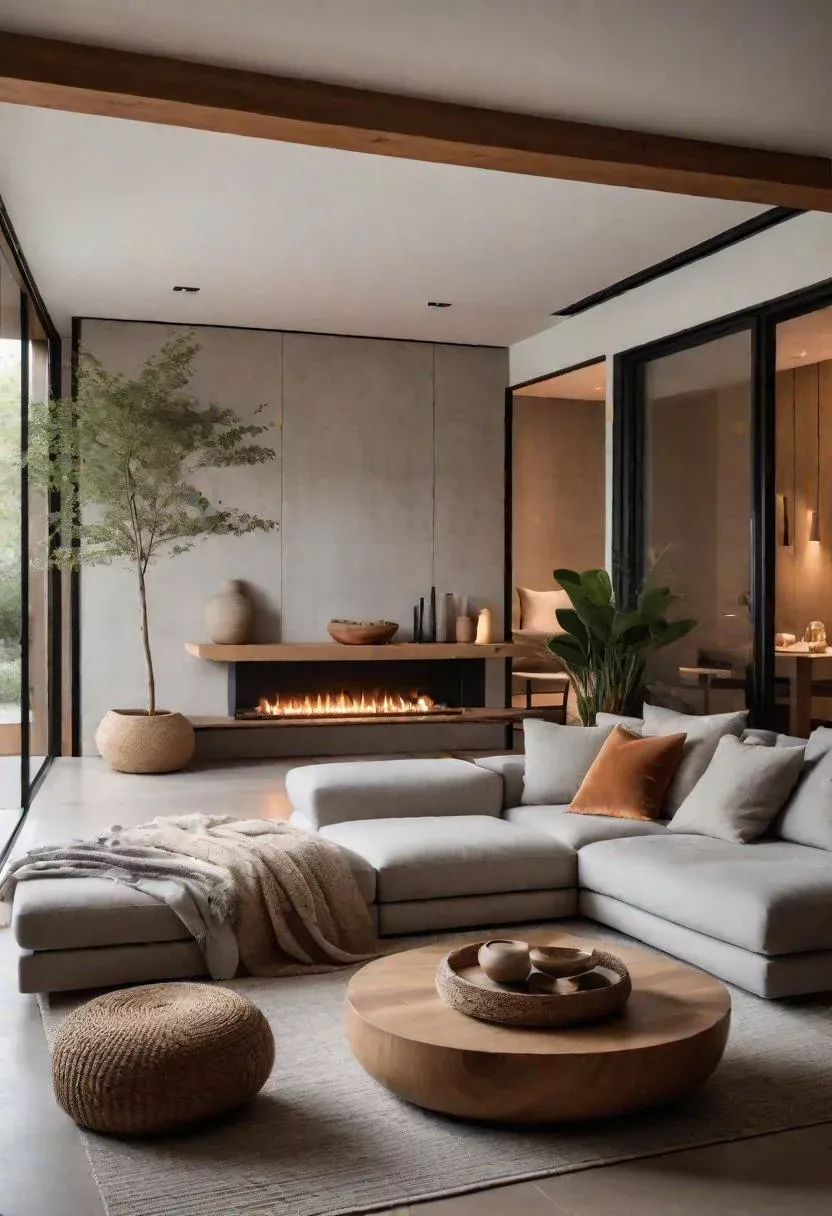
When curating beautiful living rooms images, designers often focus on a few universal elements that transcend trends. Natural light is perhaps the most critical factor, flooding the space and highlighting the true color of furniture and finishes. It creates a sense of openness and warmth that artificial lighting alone cannot replicate. Complementing this, the strategic use of neutral color palettes allows textures—like a plush velvet sofa, a raw-edged wooden coffee table, or a shaggy rug—to become the visual heroes. The composition of the image, often capturing a wide-angle view, emphasizes the room’s scale and the harmonious flow between furniture pieces.
The Psychology Behind the Appeal
Why do beautiful living rooms images resonate so deeply with us? The answer lies in psychology and the human desire for sanctuary. These spaces represent an ideal form of relaxation, a place to escape the chaos of daily life. When we view a meticulously styled room, we subconsciously register the sense of order and tranquility it offers. This triggers a feeling of calm, making the image not just visually pleasing but emotionally soothing. It taps into a fundamental need for comfort and security, which is why these photographs are so effective in home inspiration magazines and online galleries.


Key Elements of Design
Delving deeper into the visuals, certain design principles are consistently present in beautiful living rooms images. Symmetry and balance create a sense of stability, while an asymmetrical layout can introduce dynamic energy. The negative space, or the empty areas around furniture, is just as important as the objects themselves. It prevents the image from feeling cluttered and directs the eye to the focal point, whether it is a statement fireplace, a large piece of artwork, or a view out a panoramic window.
- Textural layering: Mixing materials like silk, wool, leather, and wood adds depth.
- Focal point creation: Establishing a primary visual anchor for the room.
- Scale and proportion: Ensuring furniture fits the space without overwhelming it.
- Artful accessorizing: Using objects like vases, books, and lamps to add personality.
From Inspiration to Reality
While beautiful living rooms images serve as stunning inspiration, the challenge often lies in translating them into a personal space. It is important to remember that these photos are often styled for a camera with perfect lighting and minimal living requirements. A successful adaptation focuses on capturing the feeling rather than copying the exact items. Incorporating a single element—a specific color, a type of chair, or a rug pattern—can infuse a room with that same aspirational beauty without compromising on individual taste and comfort.


The Role of Technology and Trends
The way we consume beautiful living rooms images has evolved dramatically. Platforms like Pinterest and Instagram have democratized design, allowing anyone to access millions of ideas with a swipe. This has accelerated trends, such as the popularity of biophilic design (bringing nature indoors) and the resurgence of vintage or artisanal pieces. Modern photography techniques, including drone shots and 3D renderings, also provide new perspectives, making even the most standard room look extraordinary. This digital age ensures that the definition of "beautiful" is constantly evolving and more diverse than ever.
Curating Your Own Collection
For homeowners and decorators, building a library of beautiful living rooms images is an invaluable practice. Instead of saving pictures randomly, categorizing them by mood, color scheme, or architectural feature allows for easier reference when making actual design decisions. Whether you are looking for a minimalist Scandinavian aesthetic or a maximalist bohemian vibe, these images act as a visual blueprint. They help bridge the gap between imagination and execution, ensuring that your own living space reflects not just trends, but a personal narrative of comfort and style.




Related Articles
Stunning Beautiful Modern Living Rooms: Design Ideas & Inspiration
The modern living room is no longer just a space to sit and watch television; it has evolved into the true heart of the home, a dynamic environment designed...

Stunning Beautiful Dining Rooms: Design Ideas & Inspiration
Images of beautiful dining rooms capture the essence of a home, serving as the stage for countless memories. From intimate weekday dinners to grand holiday...

Stunning Grey Living Rooms: Design Ideas & Inspiration
Grey living rooms have cemented their status as the backbone of modern interior design, offering a timeless canvas that effortlessly marries sophistication...
Stunning Living Room Images: Design Inspiration & Ideas
Curating the perfect images living room is the first step in defining the personality and comfort of your home. This space is often the central gathering point...

Stunning Gray Living Room Ideas: Design Inspiration & Decor
Gray living rooms provide the perfect canvas for sophisticated, timeless interior design. Often misunderstood as potentially cold or dull, this neutral shade...

Stunning Living and Dining Rooms: Design Ideas & Inspiration
For many, the living and dining rooms form the vibrant core of the home, a versatile space that accommodates everything from quiet mornings with coffee to...